Building India's Maker Generation

Vishwakarma Awards 2026 - 27

Challenge | Collaborate | Create

India’s national hardware innovation challenge for engineering students.

Apply now
Application Closes on 7 September 2026.
Real World Problems
Industry Sponsored Challenges
Mentorship & Guidance
Meaningful Impact
Have an idea worth building?Have an idea worth building?

Built for engineers who build

Join us live to learn more about Vishwakarma Awards

Join the webinar for FAQs and open discussion about Vishwakarma Awards 2026-2027.

26th August, Time - 5PM

Join now →

9 Themes. 3 Institutes. What will you build?

This year's challenge spans health, energy, cities, resilience, diagnostics and next-gen interaction — each theme mentored by a premier Indian institution.

IIT Indore
Mentor Institute

IIT Indore

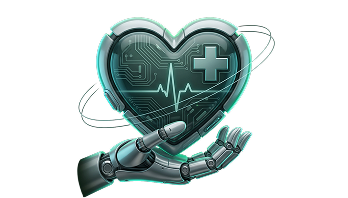
Health Tech

Build for better health.

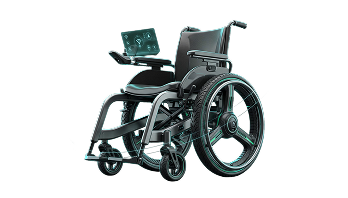
Assistive Solutions (EnAble India)

Build for a more inclusive world.

AI in Hardware & Manufacturing

Make AI work in the physical world.

IIT Hyderabad
Mentor Institute

IIT Hyderabad

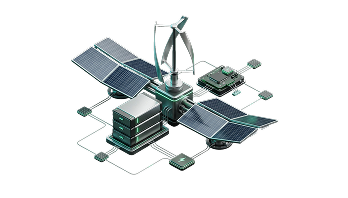
Sustainable Energy

Build the energy systems of tomorrow.

Sustainable Mining

Make mining safer, smarter, more sustainable.

Sustainable Cities

Build cities ready for what's next.

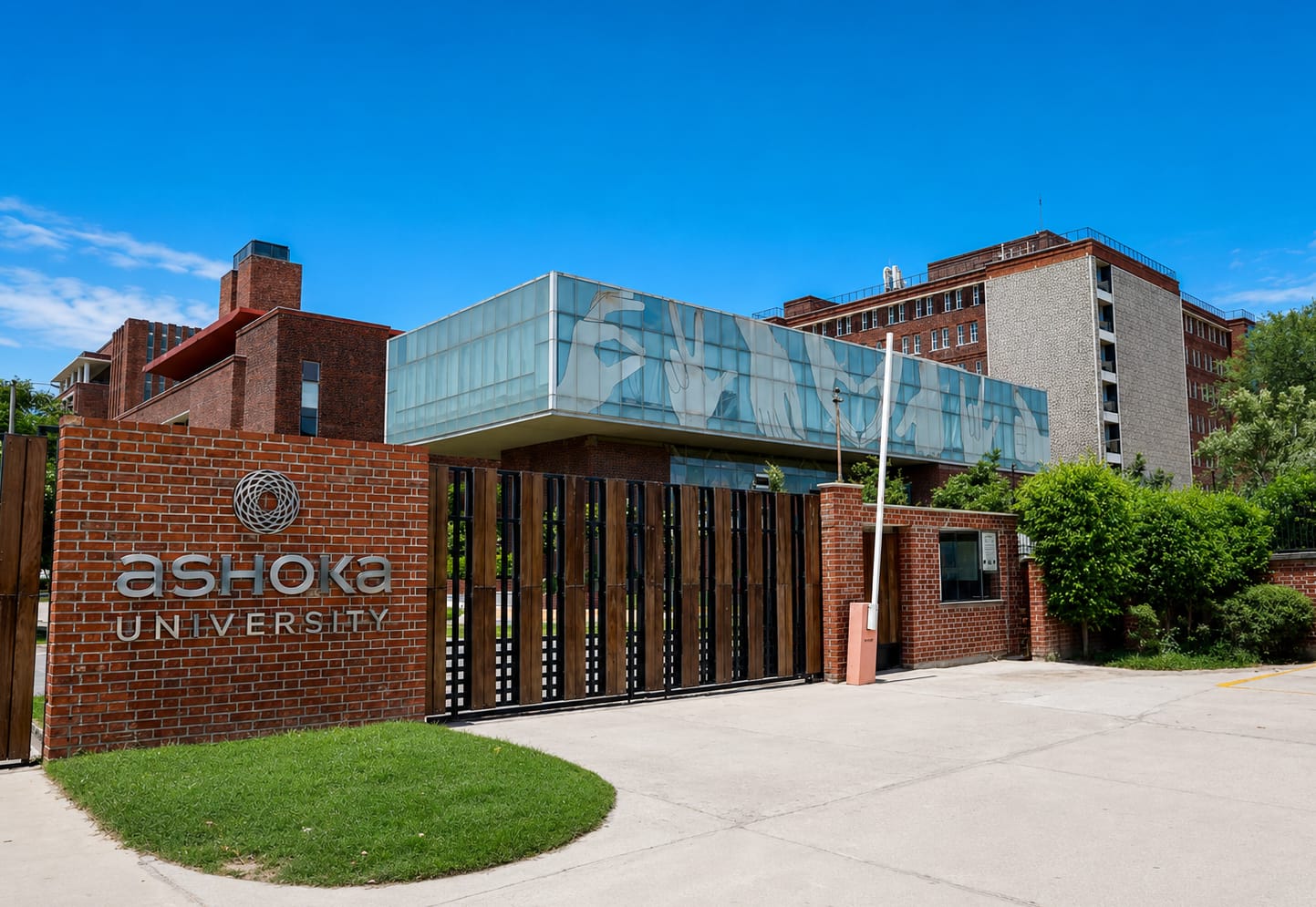
Ashoka University
Mentor Institute

Ashoka University

Physical AI for Resilience & Frontline Response

Build for the moments that matter most.

Frontier Diagnostics: The Next Vital Signs

Detect what we can't measure today.

HCI 2.0: Designing Interaction Beyond Chat

What comes after the screen?

Inclusion Partner
Vishwakarma awards gallery 1
Vishwakarma awards gallery 2
Vishwakarma awards gallery 4
Vishwakarma awards gallery 3
Vishwakarma awards gallery 5

Have an idea worth building?

Vishwakarma Awards

Challenge | Collaborate | Create

The Vishwakarma Awards is Maker Bhavan Foundation's national hardware thematic innovation challenge for student teams, built for engineers who want to take on real problems and create solutions that can make a difference.

Your journey takes you through application, design, prototyping and the final bootcamp, where the top teams get the opportunity to work on thematic problem statements from the industry and showcase their functional prototypes to a jury.

Vishwakarma Awards 2026-27 runs under the mentorship and guidance of three of India's premier institutions, each anchoring specific thematic tracks: IIT Indore, IIT Hyderabad and Ashoka University. The Assistive Solutions & Inclusive Living track runs in partnership with EnAble India.

Have an idea worth building?
Vishwakarma journey from challenge to impact
Step 01

Build your team

Form a multidisciplinary team of 2–5 students.

Step 02

Pick a challenge

Choose an innovation theme and apply with your idea.

Step 03

Prototype

Design and build a working hardware prototype.

Step 04

Test

Refine and validate your solution with mentor support.

Step 05

Present

Showcase your prototype to a national jury.

Pick a challenge. Build with your team. Prototype. Test. Present.
Build Your Next Big Idea with Vishwakarma
Tackle a Thematic, Industry-Focused Challenge

Work on a real-world problem and turn your idea into a practical solution with the potential for real-world impact.

Build a Working Hardware Prototype

Move beyond presentations and demonstrate what your idea can actually do.

Collaborate across disciplines

Bring together different skills, perspectives and ways of thinking.

Get national visibility

The Awards are designed to surface engineering talent from institutions across India.
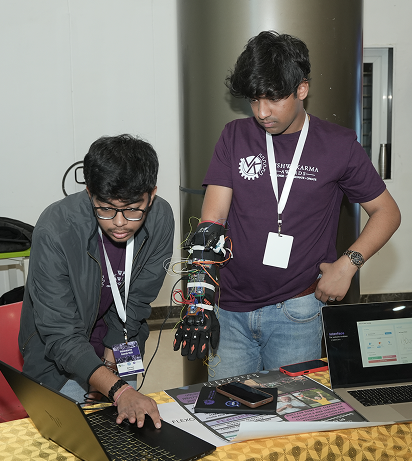
Pick a challenge. Build with your team. Prototype. Test. Present.
Vishwakarma awards gallery 6
Vishwakarma awards gallery 7
Vishwakarma awards gallery 8
Vishwakarma awards gallery 9

What will you build?

Innovation themes

This year’s challenges span health, AI, energy, cities, sustainability, resilience and next-generation human-computer interaction.
Choose a problem that excites you. Then build a solution that could change it.
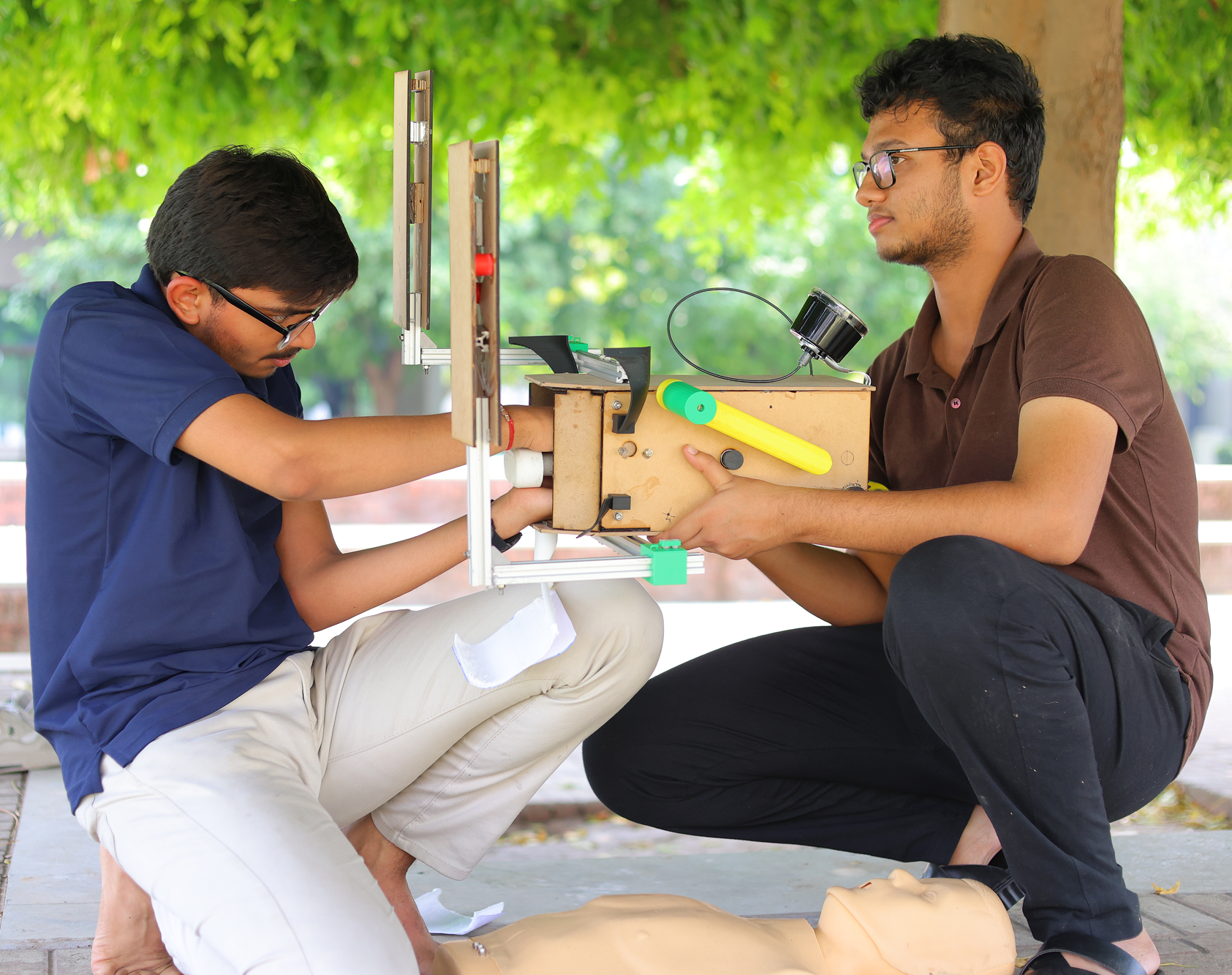

What will you build?
Health Tech

Health Tech

Sub-themes
  • Therapeutic & Life-Sustaining Hardware
  • Rehabilitation & Physical Therapy Aids
  • Emergency Response & Remote Monitoring
  • Maternal, Adolescent & Menstrual Health Tech
  • Mental Health & Biofeedback Tools
SDG Alignment
SDG 3 (Good Health & Well-being)
ANRF Theme Alignment
Health & Medical Technologies
Assistive Solutions & Inclusive Living (EnAble India)

Assistive Solutions & Inclusive Living (EnAble India)

Sub-themes
  • Smart Mobility Aids & Adaptive Transport
  • Augmentative & Alternative Communication (AAC) Hardware
  • Prosthetics, Orthotics & Physical Assistance Tools
  • Sensory Augmentation & Assistive Vision/Hearing Tech
  • Cognitive, Executive & Learning Support Tools
  • Sensory Regulation, Autism & Emotional Wellbeing Hardware
SDG Alignment
SDG 3 (Good Health)
SDG 10 (Reduced Inequalities)
SDG 11 (Sustainable Cities)
ANRF Theme Alignment
Assistive Technologies & Robotics
Bio-Engineering
Human-centric Computing
Cyber-Physical Systems
AI in Hardware & Manufacturing

AI in Hardware & Manufacturing

Sub-themes
  • Predictive Maintenance & Machine Diagnostics
  • Computer Vision & Smart Quality Inspection
  • Intelligent Robotics & Collaborative Automation
  • Generative Design & Digital Twins
  • Edge AI & On-Chip Processing
  • Worker Safety & Hazard Prevention Systems
SDG Alignment
SDG 8 (Decent Work & Growth)
SDG 9 (Industry, Innovation & Infrastructure)
ANRF Theme Alignment
Advanced Manufacturing
AI & Robotics
Industry 4.0/5.0 Technologies

Sustainable Energy

Sub-themes
  • Renewable Energy Harvesting & Generation Systems
  • Next-Gen Battery & Energy Storage Innovation
  • Smart Grids & Decentralized Power Distribution
  • Energy-Efficient Circuitry & Power Electronics
  • Solar & Regenerative Charging Infrastructure
SDG Alignment
SDG 7 (Affordable & Clean Energy)
SDG 13 (Climate Action)
ANRF Theme Alignment
Clean Energy
Battery Storage
Energy Systems
Smart Grids

Sustainable Mining

Sub-themes
  • Worker Health, Safety & Environmental Hazard Tracking
  • Autonomous Subterranean & Rough-Terrain Exploration
  • Ore Sorting & Material Handling Automation
  • Ecosystem Restoration & Waste Upcycling
  • Energy & Resource Efficiency in Heavy Equipment
SDG Alignment
SDG 8 (Decent Work)
SDG 12 (Responsible Consumption & Production)
SDG 15 (Life on Land)
ANRF Theme Alignment
Critical Minerals & Sustainable Mining
Environmental Engineering
Smart Heavy Machinery

Sustainable Cities

Sub-themes
  • Smart Urban Infrastructure & Asset Tracking
  • Waste Management & Circular Economy Hardware
  • Clean Water, Sanitation & Air Quality Monitoring
  • Micro-Mobility & Public Transit Integration
  • Climate Risk Adaptation & Urban Resilience
SDG Alignment
SDG 6 (Clean Water)
SDG 11 (Sustainable Cities & Communities)
SDG 13 (Climate Action)
ANRF Theme Alignment
Smart Cities
Environmental & Water Technologies
Urban Mobility & Infrastructure

Physical AI for Resilience and Inclusion

Sub-themes
  • AI for Inclusive Living
  • AI for Disaster Resilience
  • AI for Public Safety and Frontline Responders
  • Autonomous Search, Rescue & Tactical Robotics
  • Precision AgriTech & AI-Driven Farming Hardware
SDG Alignment
SDG 2 (Zero Hunger)
SDG 9 (Innovation)
SDG 11 (Sustainable Cities)
SDG 13 (Climate Resilience)
ANRF Theme Alignment
Robotics & Autonomous Systems
Disaster Mitigation Tech
Precision Agriculture
Assistive & Inclusive Technologies

Frontier Diagnostics: The Next Vital Signs

Sub-themes
  • Novel Physiological Measurements
  • Computational Imaging
  • Multimodal Human Sensing
  • Non-Invasive Diagnostics
  • Everyday Instrumentation
  • Open Personal Diagnostics
SDG Alignment
SDG 3 (Good Health & Well-being)
ANRF Theme Alignment
Medical Electronics
Computational Biology & Sensing
Smart Diagnostics

HCI 2.0: Designing Interaction Beyond Chat

Sub-themes
  • Spatial Computing & Intent-Driven Physical Interfaces
  • Tangible, Haptic & Multi-Modal Interfaces
  • Agentic Hardware & Embodied Intelligent Systems
SDG Alignment
SDG 9 (Industry
Innovation & Infrastructure)
SDG 10 (Reduced Inequalities)
ANRF Theme Alignment
Artificial Intelligence
Human-Computer Interaction (HCI)
Cyber-Physical Systems
Health Tech
SDG Alignment
ANRF Theme Alignment
Health & Medical Technologies

Health Tech

From life-sustaining hardware and emergency response to remote monitoring and menstrual health technologies

Sub-themes
  • Therapeutic & Life-Sustaining Hardware
  • Rehabilitation & Physical Therapy Aids
  • Emergency Response & Remote Monitoring
  • Maternal, Adolescent & Menstrual Health Tech
  • Mental Health & Biofeedback Tools
SDG Alignment
SDG 3 (Good Health & Well-being)
ANRF Theme Alignment
Health & Medical Technologies
Health Tech
SDG Alignment
ANRF Theme Alignment
Assistive Technologies & Robotics
Bio-Engineering
Human-centric Computing
Cyber-Physical Systems

Assistive Solutions & Inclusive Living (EnAble India)

Smart mobility, adaptive technology, prosthetics, assistive vision and hearing, and accessible everyday living. Run in partnership with EnAble India.

Sub-themes
  • Smart Mobility Aids & Adaptive Transport
  • Augmentative & Alternative Communication (AAC) Hardware
  • Prosthetics, Orthotics & Physical Assistance Tools
  • Sensory Augmentation & Assistive Vision/Hearing Tech
  • Cognitive, Executive & Learning Support Tools
  • Sensory Regulation, Autism & Emotional Wellbeing Hardware
SDG Alignment
SDG 3 (Good Health)
SDG 10 (Reduced Inequalities)
SDG 11 (Sustainable Cities)
ANRF Theme Alignment
Assistive Technologies & Robotics
Bio-Engineering
Human-centric Computing
Cyber-Physical Systems
Health Tech
SDG Alignment
ANRF Theme Alignment
Advanced Manufacturing
AI & Robotics
Industry 4.0/5.0 Technologies

AI in Hardware & Manufacturing

Smarter machines through robotics, computer vision, predictive maintenance, digital twins and edge AI.

Sub-themes
  • Predictive Maintenance & Machine Diagnostics
  • Computer Vision & Smart Quality Inspection
  • Intelligent Robotics & Collaborative Automation
  • Generative Design & Digital Twins
  • Edge AI & On-Chip Processing
  • Worker Safety & Hazard Prevention Systems
SDG Alignment
SDG 8 (Decent Work & Growth)
SDG 9 (Industry, Innovation & Infrastructure)
ANRF Theme Alignment
Advanced Manufacturing
AI & Robotics
Industry 4.0/5.0 Technologies
Health Tech
SDG Alignment
ANRF Theme Alignment
Clean Energy
Battery Storage
Energy Systems
Smart Grids

Sustainable Energy

Energy harvesting, storage, smart grids, power electronics and regenerative charging.

Sub-themes
  • Renewable Energy Harvesting & Generation Systems
  • Next-Gen Battery & Energy Storage Innovation
  • Smart Grids & Decentralized Power Distribution
  • Energy-Efficient Circuitry & Power Electronics
  • Solar & Regenerative Charging Infrastructure
SDG Alignment
SDG 7 (Affordable & Clean Energy)
SDG 13 (Climate Action)
ANRF Theme Alignment
Clean Energy
Battery Storage
Energy Systems
Smart Grids
Health Tech
SDG Alignment
ANRF Theme Alignment
Critical Minerals & Sustainable Mining
Environmental Engineering
Smart Heavy Machinery

Sustainable Mining

Autonomous exploration, worker safety, resource efficiency, material handling and ecosystem restoration.

Sub-themes
  • Worker Health, Safety & Environmental Hazard Tracking
  • Autonomous Subterranean & Rough-Terrain Exploration
  • Ore Sorting & Material Handling Automation
  • Ecosystem Restoration & Waste Upcycling
  • Energy & Resource Efficiency in Heavy Equipment
SDG Alignment
SDG 8 (Decent Work)
SDG 12 (Responsible Consumption & Production)
SDG 15 (Life on Land)
ANRF Theme Alignment
Critical Minerals & Sustainable Mining
Environmental Engineering
Smart Heavy Machinery
Health Tech
SDG Alignment
ANRF Theme Alignment
Smart Cities
Environmental & Water Technologies
Urban Mobility & Infrastructure

Sustainable Cities

Urban infrastructure, waste, clean water, air quality, mobility and climate resilience.

Sub-themes
  • Smart Urban Infrastructure & Asset Tracking
  • Waste Management & Circular Economy Hardware
  • Clean Water, Sanitation & Air Quality Monitoring
  • Micro-Mobility & Public Transit Integration
  • Climate Risk Adaptation & Urban Resilience
SDG Alignment
SDG 6 (Clean Water)
SDG 11 (Sustainable Cities & Communities)
SDG 13 (Climate Action)
ANRF Theme Alignment
Smart Cities
Environmental & Water Technologies
Urban Mobility & Infrastructure
Health Tech
SDG Alignment
ANRF Theme Alignment
Robotics & Autonomous Systems
Disaster Mitigation Tech
Precision Agriculture
Assistive & Inclusive Technologies

Physical AI for Resilience and Inclusion

Disaster response, search and rescue, drones, first-responder wearables, infrastructure inspection and precision agriculture.

Sub-themes
  • AI for Inclusive Living
  • AI for Disaster Resilience
  • AI for Public Safety and Frontline Responders
  • Autonomous Search, Rescue & Tactical Robotics
  • Precision AgriTech & AI-Driven Farming Hardware
SDG Alignment
SDG 2 (Zero Hunger)
SDG 9 (Innovation)
SDG 11 (Sustainable Cities)
SDG 13 (Climate Resilience)
ANRF Theme Alignment
Robotics & Autonomous Systems
Disaster Mitigation Tech
Precision Agriculture
Assistive & Inclusive Technologies
Health Tech
SDG Alignment
ANRF Theme Alignment
Medical Electronics
Computational Biology & Sensing
Smart Diagnostics

Frontier Diagnostics: The Next Vital Signs

New approaches to physiological sensing, computational imaging, non-invasive diagnostics and personal health instrumentation.

Sub-themes
  • Novel Physiological Measurements
  • Computational Imaging
  • Multimodal Human Sensing
  • Non-Invasive Diagnostics
  • Everyday Instrumentation
  • Open Personal Diagnostics
SDG Alignment
SDG 3 (Good Health & Well-being)
ANRF Theme Alignment
Medical Electronics
Computational Biology & Sensing
Smart Diagnostics
Health Tech
SDG Alignment
ANRF Theme Alignment
Artificial Intelligence
Human-Computer Interaction (HCI)
Cyber-Physical Systems

HCI 2.0: Designing Interaction Beyond Chat

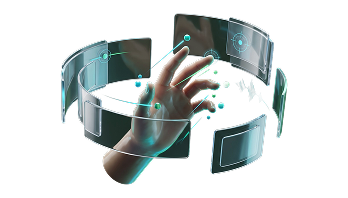
Spatial computing, haptic hardware, bio-signal control, ambient interfaces and next-generation input/output systems.

Sub-themes
  • Spatial Computing & Intent-Driven Physical Interfaces
  • Tangible, Haptic & Multi-Modal Interfaces
  • Agentic Hardware & Embodied Intelligent Systems
SDG Alignment
SDG 9 (Industry
Innovation & Infrastructure)
SDG 10 (Reduced Inequalities)
ANRF Theme Alignment
Artificial Intelligence
Human-Computer Interaction (HCI)
Cyber-Physical Systems
Vishwakarma awards gallery 10
Vishwakarma awards gallery 11
Vishwakarma awards gallery 12

Who can apply?

Eligibility

Got a problem you want to solve? Get your team together.

Teams of 2–5 students from recognised STEM and Design colleges or universities across India can apply. Multidisciplinary teams are encouraged.

Your solution must have a significant hardware component and be demonstrable at the finals.

Got a problem you want to solve? Get your team together.

A minimum of 2 and maximum of 5 students per team

Apply now
2–5

Students per team

All India

Recognised STEM & Design institutions

Hardware

A working, demonstrable prototype

Cross-team

Multidisciplinary teams welcome

Open to students

Must be an enrolled student in Bachelors, Masters, or PhD programmes
Pick a challenge. Build with your team. Prototype. Test. Present.
Vishwakarma awards gallery 13
Vishwakarma awards gallery 14
Vishwakarma awards gallery 15

The problem is real. The question is: what will you build?

Build with a national network

Your challenge. Your team. Your prototype, backed by a network of India's leading institutions.

Vishwakarma Awards brings together host institutes and student teams from across India, creating a national platform to collaborate, prototype and showcase ambitious hardware solutions.

Through the Awards, students get the opportunity to work on thematic, industry-focused challenges while drawing on the expertise and guidance associated with the host institutes.

Your college is where you start. The Awards are where your idea can go next.

Build with a national network
IIT Indore

IIT Indore

  • Health Tech
  • Assistive Solutions & Inclusive Living
  • AI in Hardware & Manufacturing
IIT Hyderabad

IIT Hyderabad

  • Sustainable Energy
  • Sustainable Mining
  • Sustainable Cities
Ashoka University

Ashoka University

  • Physical AI for Resilience & Frontline Response
  • Frontier Diagnostics: The Next Vital Signs
  • HCI 2.0: Designing Interaction Beyond Chat

Each theme connects students to a specific challenge area and a platform for developing solutions with real-world relevance.

The Challenge We Are Solving

India produces over 2 million engineering graduates every year — more than almost any country on earth. Fewer than 20% enter core engineering roles. The gap is not aptitude. It is the absence of an environment in which students are expected, equipped, and encouraged to make things.

Most engineering colleges in India have never given students a dedicated space to build, experiment, and fail productively. The consequences extend beyond individual careers: India’s ambition to become a global manufacturing and technology leader depends on engineers who can innovate, not just implement. The Maker Bhavan Foundation exists to close this gap — systematically, at scale, and in partnership with the institutions and governments that shape India’s technical education landscape.

“India’s path to a $30 trillion economy runs through a generation that builds — not one that simply executes.”

The Program

Vishwakarma Award for Engineering Innovation

Vishwakarma Award is a thematic challenge to encourage talented student teams to build innovative, deployable prototypes rapidly and with impact. Founded by the © Maker Bhavan Foundation™, the award incentivises talented student innovators and tinkerers interested in developing scalable technological solutions that tackle real-world problems that affect the nation and the world.

Learn more

Hands-on Innovation

Build practical, working prototypes that focus on real-world engineering challenges.

Structured Mentorship

Shortlisted teams receive guidance from academic experts, industry professionals, and innovation mentors throughout the program.

National-Level Finale

Finalist teams present their working prototypes during the in-person bootcamp and live demonstration round conducted at a partner IIT campus.

Recognition & Awards

Outstanding innovations receive national recognition, prototype support opportunities, certificates, and the chance to compete for the Best Invention Award of ₹1,00,000.

Our Programmes

01. Tinkerers’ Labs

Maker Mindset • Open 24/7 • Build. Break. Learn.

A Tinkerers’ Lab is a professional, student-managed makerspace embedded inside an engineering college — giving students round-the-clock access to advanced fabrication tools and a structured maker curriculum co-developed with IITs. It is not a workshop. It is a mindset.

Each lab is equipped with 3D printers, laser cutters, CNC milling machines, and a fully-equipped electronics section, anchored by trained faculty and supported by MBF’s proprietary Makerspace Information System (MIS) — which tracks student footfall, lab utilisation, and project outputs in real time.

Labs are established in partnership with state governments, AICTE, and premier institutions including IITs and NITs. MBF co-invests in capital expenditure, bears training costs, and provides ongoing advisory & programme management through dedicated State and Central PMUs.

  • 22+ labs across India, spanning 32,000+ sq. ft.
  • 1.2 lakh+ student users to date
  • Target: 50 labs and 1.5 lakh+ users by end of FY 2026
  • Active state partnerships in Punjab and Assam; 5 states targeted by end of 2026

02.  InventX

InventX is India’s most intensive residential invention programme for undergraduate students. Over six weeks, teams from engineering, science, and design colleges come together on IIT campuses to identify real-world problems, develop patentable solutions, build working prototypes, and file provisional patent applications before the programme ends.

Every team leaves with a filed patent application and a prototype that works. The programme is mentored by leading academics, industry experts, and patent attorneys, and has expanded since 2024 to welcome applications from all engineering, science, and design colleges across India.

  • 1,500+ applications received to date
  • 120+ provisional patent applications filed in India and the US
  • Students from 300+ institutions have applied  
  • Target: 3,500 applications and 150+ patents by end of 2026

03. Vishwakarma Awards

The Vishwakarma Awards are MBF’s national hardware innovation challenge — India’s leading thematic competition for undergraduate engineers. Each edition presents student teams with a real-world problem to solve, challenging them to build innovative, deployable prototypes that address issues affecting the nation and the world.

Participating teams go through structured ideation, prototyping, and presentation stages, gaining skills and exposure that extend well beyond the competition itself. The Awards have become a significant platform for surfacing engineering talent from institutions that rarely reach national visibility.

  • 4 editions completed to date
  • 1,800+ applications and 320 prototypes developed
  • 5,000+ applicants engaged
  • Target: 3,800 applications, 500 prototypes, and 11,000+ applicants by end of 2026

We believe India’s next generation of engineers will not just learn to solve the problems of today — they will build the solutions of tomorrow.

The problem is real. The question is: what will you build?

Build with a national network

Your challenge. Your team. Your prototype. And a platform that brings student innovators together across leading institutions. The Vishwakarma Awards brings together host institutes and student teams from across India, creating a space to collaborate, prototype and showcase ambitious hardware solutions.

Application & Shortlisting

Aug 10 – Sep 16, 2026

Complete Application form + written problem statement solution proposed (.doc)

  • Applicants submit basic entries.
  • No PPT/video.
  • Eligibility: Undergraduate, Graduate, and Post-graduate students can apply.
  • Applications open on Aug 10 and close on Sep 10.
Closes Sept 7·Results Sep 16

Design Specification Stage

Sep 16 – Oct 26, 2026

Design Proposal Deck

  • Shortlisted applicants submit a PPT of design specifications by October 16th.
  • No prototype video required.
Submit Oct 16·Results Oct 26

Prototype Stage

Oct 26 – Dec 14, 2026

Working Prototype Video (3 min) + PPT

  • Applicants submit a prototype video and updated PPT till Dec 4th
Submit Dec 4·Semi- Finalists Announced: Dec 14

Semi-Finals · Virtual Interviews

Dec 15, 2026 – Jan 11, 2027

5 mins Presentation with prototype demo

  • Virtual interviews will be conducted with shortlisted teams (semi-final round).
  • Jury to select 5 finalist teams for each theme.
Ashoka University Online Interviews: Dec 16–18, Finalists Announced: Dec 18th
IIT Indore & IIT Hyderabad Online Interviews: Jan 4th-8th, Finalists Announced: 8th

Finals · Bootcamp & Grand Finale

Dec 25, 2026 – Feb 26, 2027

Physical Demo + Pitch to Jury

  • The final 5 teams of each theme attend a physical 3-day bootcamp and pitch their final functional prototypes in a physical finale.
  • Top 3 winners will be declared for each theme.
Ashoka University: Bootcamp: Jan 11th -13th, Final Pitch Event: Jan 15th
IIT Indore: Bootcamp: Jan 25th to 27th, Final Pitch Event: Jan 29th
IIT Hyderabad: Bootcamp: Feb 22nd -24th, Final Pitch Event: Feb 26th
Maker Bhavan Foundation

ABOUT
MAKER BHAVAN FOUNDATION

Maker Bhavan Foundation (MBF) is transforming engineering education in India by creating opportunities for students to build, make, experiment and innovate.

Our belief is simple: every engineering graduate should know how to build. Not just solve equations or pass examinations, but take an idea, work with their hands, iterate through failure, and arrive at something real. This is the maker and innovation mindset, and it is what India's economy needs next.

Since 2019, MBF has worked with engineering institutions, governments and national bodies to build spaces and programmes where students can experiment, prototype and turn ideas into real-world solutions.

We believe India’s next generation of engineers will not just learn to solve the problems of today, they will build the solutions of tomorrow.

Maker Bhavan Foundation exists to make that possible.

From Tinkerers' Labs to InventX to the Vishwakarma Awards, MBF creates platforms that take student ideas from concept to prototype and beyond. We want every engineering graduate to know how to build — a product, an argument, a company, a solution India needs.

Frequently Asked Questions

Who can apply to the Vishwakarma Awards?

Teams of 2 to 5 undergraduate, postgraduate, or PhD students from any recognised engineering or technology institution are eligible. Faculty may be part of the team as mentors only. The team lead must be a student.

Are non-STEM students eligible?

No

What kind of ideas/projects are eligible?

  • Adhere to one of the Vishwakarma themes (including sub-themes)
  • Solve a real-world problem
  • Include a hardware component
  • Result in a working prototype demonstrated at the finals
  • Pure software-only or theoretical solutions are not eligible.
  • Prior research work by a student team will not be recognized. Teams will be judged on the specific prototyping work they did during the competition.

Can we submit an idea we’ve already worked on before?

Only work done during the program timeline will be evaluated. Prior research or builds won’t be considered.

How do I apply?

Applications are now open. You’ll need to submit:

  • An online form
  • A written problem statement and proposed solution (Word document). Format given in the application form.
  • A valid college ID

When will we find out if we are selected? How will we find out? Will you let us know If we are not selected?

You’ll receive an email update by the result date given in the schedule for every round, if your team is selected for the next stage. If you are not selected, you’ll still regret communication. Please ensure your application includes a valid and regularly-checked email ID.

Program structure & stages

What are the different stages of the Vishwakarma Awards?

Teams of 2 to 5 undergraduate, postgraduate, or PhD students from any recognised engineering or technology institution are eligible. Faculty may be part of the team as mentors only. The team lead must be a student.

Stage Activity
Stage 1
Application submission and first shortlisting. Submit a proposal document and a valid college ID.
Stage 2
Design specification: Submit a PPT deck, no prototype/video required
Stage 3
Prototype development: Submit video + revised deck, virtual jury interviews
Stage 4
Finalist bootcamp + in-person demo at the host institute.

What is the full timeline of the program?

Stage Timeline
Application Stage 10th August to 10th September
Shortlist Announcement 15th September
Design Stage 16th September to 16th October
Shortlist Announcement 26th October
Prototype Stage 26th October to 6th December
Shortlist Announcement 14th December
Interview Stage 16th to 18th December (Ashoka)
4th to 8th January (Indore & Hyderabad)
Shortlist Announcement 18th December (Ashoka)
8th January (Indore & Hyderabad)
Bootcamp 11th to 13th January (Ashoka)
27th to 29th January (Indore)
22nd to 24th February (Hyderabad)
Grand Finale 15th January (Ashoka)
31st January (Indore)
26th February (Hyderabad)

Do we need to travel during the program?

Yes, finalist teams will attend an in-person bootcamp and finale

Will our stay be covered?

 Yes. We provide accommodation + meals during the bootcamp and finale for two students per team.

Do we need to pay any additional fees?

No, additional on-ground fees are required to be paid to MBF.

Travel & participation logistics

Do we need to travel? What are the dates and rules?

Yes, only finalist teams will travel to the host institute for the bootcamp and finale:

  • Arrival will be based on the theme you have applied to at the respective host institutes as follows:
    • 10th January at Ashoka University,
    • 26th January at IIT Indore
    • 21st February at IIT Hyderabad
  • Departure will be based on the theme you have applied to at the respective host institutes as follows:
    • 16th January at Ashoka University
    • 1st February at IIT Indore
    • 27th February at IIT Hyderabad
  • Minimum team members required onsite: 1
  • Maximum supported: 2 team members per team (stay funded). More Members can come at their own cost.
  • Skipping the Bootcamp? No — the Bootcamp is mandatory for finalists
  • Do we need to bring our prototype? Yes
    • Working video: Must be submitted prior
    • Physical prototype: Must be brought for live demo at the finale

Benefits & support

What do we get by participating?

Yes, only finalist teams will travel to the host institute for the bootcamp and finale:

  • ₹30,000: For finalist teams to further develop their prototypes
  • Mentorship: From industry experts & innovation leaders
  • Pitch Coaching: With communication experts
  • Showcasing Opportunity: In front of investors, media, and institutions
  • Internships: Opportunities to present in front of Industry members who can offer internships.
  • Certificate + Optional LORs from mentors/selection committee

What are the prizes?

  • Best Invention Awards in each theme:
    • First place: ₹ 2,00,000 
    • Second place: ₹ 1,00,000 
    • Third place: ₹ 50,000
  • Industry Internships for selected teams

Project requirements

What is expected from our prototype?

 You must demonstrate a working prototype with a hardware component. It should:

  • Be cost-effective
  • Address a real need
  • Be easy to use, scalable, and sustainable

Can we use software in our prototype?

Yes, as long as there is a hardware component and the overall solution can be physically demonstrated.

What are the judging criteria?

  • Relevance: Is the invention addressing a real problem?
  • Effectiveness: Does the prototype work? Is it cost-effective?
  • Clarity: Is the scientific and logic chain about the product, idea or innovation robust? What can be the pitfalls in the chain of reasoning?
  • Uniqueness: How do the benefits compare to the solutions available in the market?
  • Patentability: Are the solution and prototype patentable? (IP shall belong to team members)
  • Commercial Viability: How does the cost compare to other things in the market?
  • Fact Check: What has been done in the past to address what you are addressing?
  • Ease of Use: Is the solution practical and easy to deploy? How will it be used by the user?

Who are the mentors and how are they assigned?

Each team is assigned a technical mentor (If needed) and a communication consultant post-shortlisting. These experts help you develop your prototype and refine your pitch for the jury.

What happens after the finals?

Each team is assigned a technical mentor (If needed) and a communication consultant post-shortlisting. These experts help you develop your prototype and refine your pitch for the jury.

Will we receive certificates?

Yes, all participants will receive a certificate of participation, and finalist teams will receive the winner certificate and can request Letters of Recommendation from mentors or jury members or Maker Bhavan Foundation.

What will you build?

Built for engineers who build

Get your team together.
Choose your challenge. Start building.

Vishwakarma Awards gives you the challenge, the platform and the opportunity to take your idea further.

Apply now